You did the creams. The facials. Maybe even the prescriptions. But every time you look in the mirror, the scars are still there.
The uneven texture. The tiny indentations. The dark marks that won’t fully fade. And suddenly, it doesn’t matter that your acne breakouts are gone… because your skin still doesn’t feel smooth, confident, or “finished.”
You can get help from laser treatments, chemical peels, and medical-grade skincare, but there is something more helpful for you!
It’s “microdermabrasion for acne”!!!
There is a reason why microdermabrasion has become one of the most requested non-invasive treatments for acne scars. It’s quick. It’s gentle. And for the right type of scarring, it can visibly improve texture without aggressive procedures.
But does it actually work for acne scars… or is it just another overhyped facial?
Let’s talk about what microdermabrasion really does, who it helps most, and what kind of results you can realistically expect.
How Microdermabrasion Works for Acne Scars?

Acne is not merely a cosmetic issue; it is a relatively common medical condition that affects up to 50 million people in the U.S. annually. While biological issues due to acne are a given, the skin condition is also associated with psychosocial effects on the sufferer.
For them, microdermabrasion is a non-invasive treatment typically done on the face, chest, neck, and hands for the removal of certain types of acne scars. It involves exfoliation of skin to remove the outermost layer of dead cells with the help of fine crystals or a diamond-tipped handpiece.
It is pertinent to note that microdermabrasion for scars on the face does not reach deep layers of the skin. It essentially exfoliates the top skin layer, which stimulates mild collagen production, encourages cell turnover, and improves skin texture over time. Microdermabrasion may also help with wrinkles, hyperpigmentation, photoaging, and acne scars.
Types of Acne Scars Microdermabrasion Can Treat
Microdermabrasion for facial acne scars works by removing the stratum corneum layer – the very first layer – of the skin.
Thus, the non-invasive treatment is not suitable for deep, indented scars.
Here are the key acne scar types generally treated via microdermabrasion:
- Post-inflammatory Hyperpigmentation: Healing from a bout of acne often leaves dark or discolored spots in place. Microdermabrasion helps lighten those.
- Depressed Scars: It also reduces the appearance of light, depressed scars lying flat against the epidermis.
- Mild Boxcar Scars: These acne scars are usually shallow, rounded skin depressions with sharp edges, typically caused by lost collagen after inflammatory acne. Microdermabrasion is an ideal treatment for such scars.
- Textural Irregularities: Beyond treating acne scars, microdermabrasion helps improve skin texture and minimizes enlarged pores due to sensitivity.
Preparing for Microdermabrasion Acne Scars

Microdermabrasion is a relatively safe procedure that does not involve any invasive devices. However, skin is a sensitive organ of the body and could react to certain treatments if not prepared for it beforehand. You can prepare your skin for microdermabrasion sessions days before by following the precautions below:
→ Sun Protection. While paramount even on the regular days, sun exposure or tanning must be avoided for at least one week before the treatment is scheduled.
→ Skin Products. Discontinue exfoliating products containing active ingredients, such as retinoids, glycolic acid, and salicylic acid, for days before.
→ Hair Removal. It is recommended to avoid waxing or shaving for at least a week due to the risk of increased skin sensitivity.
→ Medications. Certain medications may contraindicate the procedure; your specialist must be brought up to speed if you are currently taking any.
On the day of your skin microdermabrasion appointment, avoid applying makeup, lotions, or creams on the area of treatment. Moreover, inform the technician of any skin sensitivities or allergies.
The Microdermabrasion Procedure for Acne Scars | Step-by-Step

When exploring cosmetic treatment options, clients often anticipate the process to involve multiple sessions over the course of several days. Microdermabrasion might be an exception – lasting only 35-40 minutes. The in-office procedure entails cleaning, intense exfoliation, and vacuuming to achieve the desired results.
A typical session at a spa or clinic includes the following steps:
- Skin Preparation: A specialist cleanses the skin to remove makeup, oils, and dirt.
- Exfoliation: In this step, a crystal or diamond wand pulls the skin and releases the particles using negative pressure. The device is then passed over the skin to remove the outer layer of dead cells. This is done three times.
- Vacuuming: The device then vacuums the loosened skin cells and the remaining crystals.
- Hydration: A gentle moisturizer is applied to the skin to restore hydration.
- SPF Application: The fresh layer of skin needs to be protected from sun exposure; thus, sunscreen is also applied.
Benefits of Microdermabrasion for Acne Scars
Microdermabrasion offers a plethora of benefits for acne scars by improving skin texture and tone for superficial scarring. Other benefits include:
- Improves mild discoloration.
- Smooths superficial texture.
- Brightens overall complexion.
- Minimal downtime.
- Lower cost compared to lasers.
- Safe for most skin types when performed professionally.
What to Expect During and After Microdermabrasion for Acne Scars?

Regardless of the many precautions the client or specialist might take during microdermabrasion treatment, there’s ought to be minimal reactions to the procedure that may trigger during and after.
You might feel a mild scratching sensation once the device comes in contact with the skin. A light suction feeling may also be felt during the vacuuming of the remaining crystals and skin debris.
After treatment, slight redness or a tight or dry feeling at the site of the procedure is a common occurrence. Most reactions resolve within 24 hours, and you can normally go on about your day.
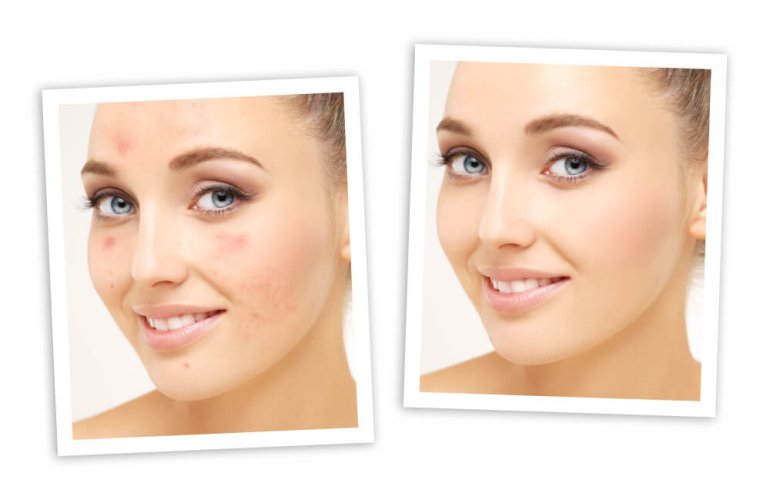
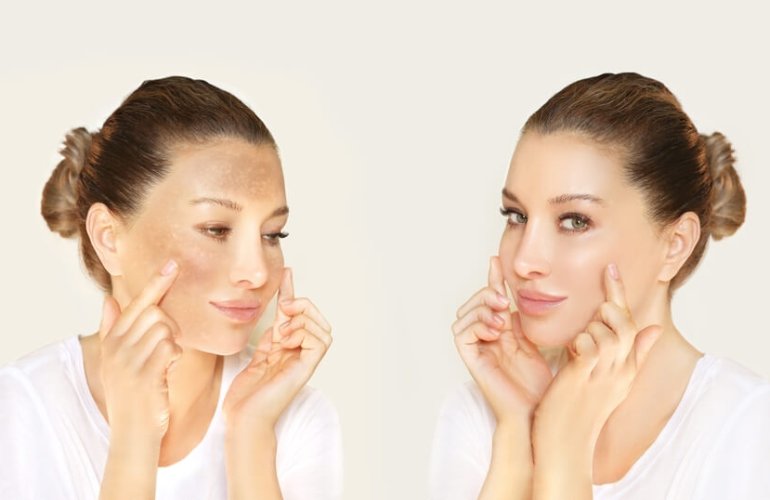
Microdermabrasion for Acne | Before and After Results!

Microdermabrasion face treatment transforms dull, congested skin into a brighter and smoother complexion.
Most people are able to see the results only after one session. Once rough and uneven, the skin texture and tone are replaced with smoother, more even skin.
If you have had dull and tired skin from everyday hustle, a healthy glow is immediately visible following the procedure.
In addition to removing acne scars, microdermabrasion before and after results show cleansing, unclogging, and reducing the appearance of enlarged pores on your skin.
Furthermore, it is also an effective anti-aging tool, helping with softening fine lines and sun damage.
How Many Sessions are Needed for Acne Scars?

The number of microdermabrasion sessions typically depends on the nature of the skin issue.
In case of acne scars, most providers recommend 4-9 sessions of microdermabrasion to see significant improvements in the skin. These sessions are spaced 2-4 weeks apart in order to allow the skin to heal. The procedure is followed by maintenance treatment every few months.
Microdermabrasion vs. Other Acne Scar Treatments
In addition to microdermabrasion, there are other treatments that may help with acne scars, depending on their severity. There are chemical peels, microneedling, and laser resurfacing, among others. However, microdermabrasion continues to remain one of the safer options if you are looking for minimal risks.
| Treatment | How It Works? | Best For | Downtime / Recovery |
| Microdermabrasion | Mechanical exfoliation using fine crystals or diamond tips to remove the outermost layer of skin. | Mild acne scars, uneven texture, dull skin | Minimal. Often none. |
| Chemical Peels | Acid solution (glycolic, salicylic, TCA) removes layers of skin to stimulate regeneration. | Mild-moderate scarring and pigmentation | Mild peeling; a few days. |
| Microneedling | Tiny needles create controlled micro-injuries to stimulate collagen production. | Boxcar, rolling scars | Mild redness; 2-4 days. |
| Laser Resurfacing | Removes damaged skin layers with a laser. | Deep acne scars | 1-2+ weeks. |
| Dermal Fillers | Injectable gel lifts depressed scars. | Rolling or atrophic scars | None; short swelling. |
Common Side Effects and Risks!
While generally safe, microdermabrasion may cause temporary side effects immediately after the procedure. These include temporary redness, dryness, or peeling, and mild swelling.
Rare side effects include hyperpigmentation and bruising if the suction is too strong.
Due to the removal of the outermost layer of the skin, your skin may become more sensitive to the sun and other irritants.
There is also an increased risk of a viral skin infection spreading to other parts of the body.
Minimizing Risks!
It is never too safe to choose a reliable healthcare professional when it comes to cosmetic procedures. Hence, in order to minimize risks associated with microdermabrasion, it is important to choose a licensed microdermabrasion service provider.
Always get properly consulted before treatment.
There might be a feeling of dryness and itching in the initial hours of the procedure; avoid picking on the skin at all costs.
Once the procedure is completed, you must religiously follow post-treatment skincare instructions relayed by your specialist.
Remember! Regular application of a good sunscreen is non-negotiable.
Who is a Good Candidate for Microdermabrasion?

Microdermabrasion is often considered a starting treatment for skin issues rather than a corrective for severe scars. As it usually works on the most superficial layer of the skin, microdermabrasion might be an effective treatment if you are suffering from one of these issues:
- Mild acne scarring.
- Uneven skin tone.
- Fine lines.
- Hyperpigmentation.
- Wrinkles.
- Photodamage.
The procedure is not ideal for:
- Active severe acne.
- Rosacea flare-ups.
- Deep, pitted scars.
- Open wounds.
Struggling with Acne Scars? Start your Skin Renewal Journey with Health & Medspa!

Skin conditions, especially acne scars on the face, have the potential to affect confidence and social behavior. In the world of unreliable treatments, Health & Medspa takes a trustworthy, gentle, gradual approach to solving your skin problems.
Microdermabrasion is an ideal procedure if you are looking to get rid of superficial scarring and pigmentation for smoother and brighter skin.
Confused about whether microdermabrasion is the right solution for your acne scars?
Book a consultation with our expert team at Health & Medspa today!
We are always ready to answer your concerns. Get your customized treatment plan to help you move closer to the skin of your dreams!
FAQs
Does microdermabrasion remove acne scars permanently?
While microdermabrasion significantly improves the appearance of mild, superficial scars, it does not permanently remove deep acne scars.
Is microdermabrasion painful?
As a non-invasive cosmetic procedure, microdermabrasion is generally not painful. The device usually triggers a mildly scratchy sensation upon being passed over the skin.
How many microdermabrasion sessions are needed for acne scars?
Most people see visible results after 4-8 sessions spaced about 2-4 weeks apart. However, the exact number depends on the depth and type of scars, skin type, and consistency of treatments.
Is microdermabrasion safe for all skin types?
Microdermabrasion is generally safe for most skin types under the care of a trained professional. However, individuals with active acne and skin allergies may not be ideal candidates.