
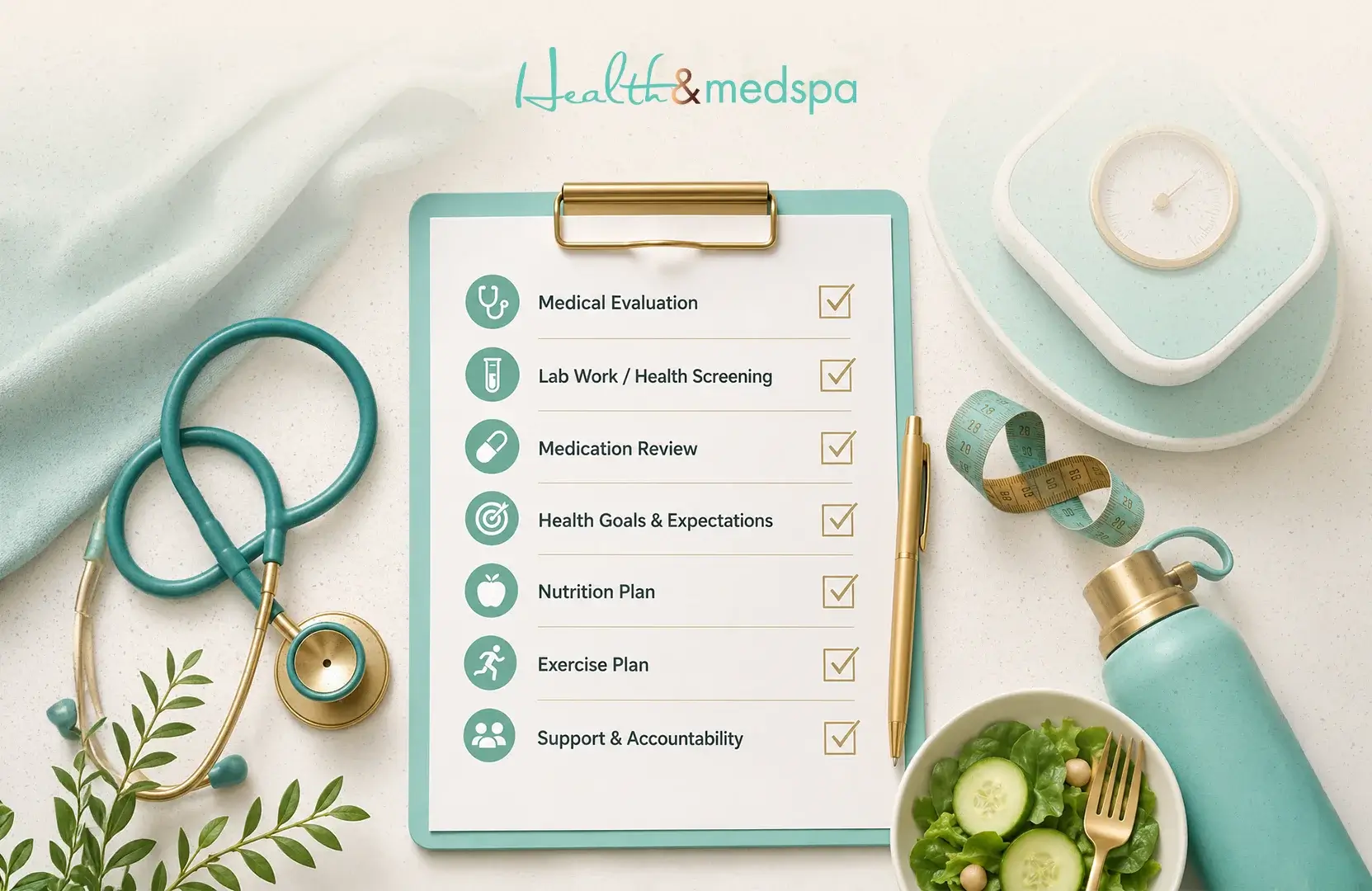
Medical Weight Loss Checklist Before You Start: Everything You Need to Know
Introduction
Starting a medical weight loss program is an important decision, but success begins long before your first prescription or treatment plan. Following a medical weight loss checklist helps you understand your health, set realistic expectations, and choose a physician-guided program that supports long-term results instead of quick fixes.
If you’re considering medical weight loss in Tampa Bay, FL, you’re not alone. More adults are turning to evidence-based, medically supervised programs because they offer personalized care, ongoing monitoring, and treatment plans designed around each person’s health history—not one-size-fits-all diets. Physician-led programs typically include a comprehensive consultation, health assessment, body composition analysis, nutrition guidance, and regular follow-up appointments to improve safety and long-term success.
Whether you’re exploring GLP-1 medications or simply want professional guidance to lose weight safely, this guide walks you through everything you should check before getting started. By the end, you’ll know exactly how to prepare, what questions to ask, and how to choose the right medical weight loss program for your needs.
📌 Quick Summary
✅ Understand your health before beginning any treatment.
✅ Choose a physician-supervised medical weight loss program.
✅ Review your medical history, medications, and lifestyle.
✅ Set realistic weight-loss goals focused on long-term success.
✅ Prepare for nutrition, exercise, and follow-up appointments.
✅ Select a trusted Tampa Bay provider offering personalized care.
Ready to Begin Your Weight Loss Journey?
Before making any decisions, schedule a consultation with experienced medical professionals who can evaluate your health and recommend the most appropriate treatment plan.
👉 Learn more about our physician-guided Medical Weight Loss Program:
https://www.healthandmedspa.com/services/medical-weight-loss/
Why You Need a Medical Weight Loss Checklist
Many people begin their weight loss journey after trying multiple diets, exercise plans, or online programs without lasting success. However, medical weight loss is different because it focuses on identifying the underlying causes of weight gain rather than simply reducing calories.
A proper medical weight loss checklist ensures you:
- Understand whether you’re a good candidate.
- Identify health conditions affecting weight.
- Reduce the risk of medication-related complications.
- Establish healthy habits for long-term maintenance.
- Build realistic expectations before treatment begins.
Medical weight loss programs that combine physician oversight, lifestyle changes, nutrition counseling, and regular follow-up generally provide more comprehensive support than medication alone. Reputable clinics also emphasize maintenance planning rather than only short-term weight loss.
Medical Weight Loss Checklist Before You Start
1. Know Your Current Health Status
Before beginning treatment, your provider should complete a comprehensive health evaluation.
This usually includes:
- Current weight and BMI
- Body composition analysis
- Blood pressure
- Medical history
- Previous weight loss attempts
- Existing medical conditions
- Current medications
- Family health history
This information helps determine which treatment options are appropriate for your individual needs.
2. Complete Recommended Laboratory Testing
Many reputable medical weight loss clinics recommend laboratory testing before creating your treatment plan.
Common tests may include:
- Blood glucose
- A1C
- Lipid profile
- Thyroid function
- Liver function
- Kidney function
- Vitamin deficiencies
Skipping baseline testing can mean missing underlying conditions that affect metabolism or influence treatment decisions. Physician-supervised programs commonly use lab work to personalize care and monitor progress safely.
3. Discuss Your Weight Loss Goals Honestly
Healthy weight loss isn’t only about reaching a number on the scale.
Your provider may ask:
- Why do you want to lose weight?
- What challenges have you experienced?
- Have previous diets worked?
- What lifestyle changes are realistic?
- What timeline are you expecting?
Setting realistic expectations improves motivation and helps create a plan you can maintain.
4. Review Your Current Medications
Some medications may influence:
- Appetite
- Metabolism
- Blood sugar
- Hormones
- Energy levels
Always provide a complete medication list, including:
- Prescription medications
- Vitamins
- Supplements
- Herbal products
- Over-the-counter medications
Never stop or adjust medications without medical advice.
5. Evaluate Your Daily Lifestyle
Your provider will likely ask about:
Nutrition Habits
- Meal timing
- Portion sizes
- Water intake
- Protein intake
- Sugar consumption
Physical Activity
- Exercise routine
- Walking habits
- Strength training
- Sedentary time
Sleep
Poor sleep can affect hunger hormones and weight management.
Stress
Chronic stress may influence eating behaviors and make weight management more challenging.
Understanding these factors allows your provider to develop a personalized treatment strategy instead of relying solely on medication.
Questions to Ask Before Choosing a Medical Weight Loss Clinic in Tampa Bay
Not every program provides the same level of care. Before enrolling, ask:
- Is the program supervised by a licensed physician?
- Will I receive a personalized treatment plan?
- Are laboratory tests included?
- How often are follow-up appointments scheduled?
- What happens if medications need adjustment?
- Is nutrition counseling included?
- Will progress be monitored regularly?
- Is there a long-term maintenance strategy after reaching my goal?
Programs that combine provider evaluations, body composition analysis, lifestyle guidance, and ongoing follow-up tend to offer a more comprehensive approach than medication-only services.
Lifestyle Changes That Support Long-Term Weight Loss
A physician-guided program works best when paired with healthy daily habits. While medications may help reduce appetite or improve metabolic health for some people, sustainable weight loss depends on consistent lifestyle changes.
Prioritize Protein at Every Meal
Protein helps preserve lean muscle, promotes fullness, and supports healthy metabolism during weight loss.
Good protein sources include:
- Lean chicken or turkey
- Fish
- Eggs
- Greek yogurt
- Cottage cheese
- Beans and lentils
- Tofu
Aim to include protein in every meal and snack whenever possible.
Stay Hydrated
Many people mistake thirst for hunger. Drinking enough water throughout the day may help manage appetite and support overall health.
Simple tips include:
- Carry a reusable water bottle.
- Drink water before meals.
- Limit sugary beverages.
- Increase water intake during exercise or hot Florida weather.
Build an Exercise Routine You Can Maintain
You don’t need to spend hours in the gym.
Instead, focus on consistency.
Examples include:
- Walking 30 minutes daily
- Swimming
- Cycling
- Strength training 2–3 times weekly
- Yoga or stretching
Your provider may recommend an activity plan based on your current fitness level and medical history.
Improve Sleep Quality
Adults should generally aim for 7–9 hours of sleep each night.
Poor sleep can:
- Increase cravings
- Affect hunger hormones
- Reduce energy levels
- Make healthy choices more difficult
Creating a consistent bedtime routine can support your weight-loss efforts.
📍 Medical Weight Loss in Tampa Bay, FL
Residents throughout Tampa Bay, FL, have access to physician-supervised medical weight loss programs that emphasize individualized care rather than one-size-fits-all solutions.
Whether you live in:
- Oldsmar
- Clearwater
- Palm Harbor
- Dunedin
- Safety Harbor
- Tampa
- St. Petersburg
choosing a clinic that performs comprehensive evaluations, ongoing monitoring, and personalized treatment planning can make a meaningful difference in your experience.
At Health & MedSpa, every treatment plan begins with understanding your medical history, lifestyle, and health goals before recommending any course of care.
Ready to Take the First Step?
If you’ve been wondering whether medical weight loss is right for you, a professional consultation can provide the answers you need.
Rather than guessing which diets or medications might work, you’ll receive a personalized evaluation based on your unique health profile.
👉 Explore our physician-guided Medical Weight Loss Program:
https://www.healthandmedspa.com/services/medical-weight-loss/
Common Mistakes to Avoid Before Starting Medical Weight Loss
Many people unintentionally slow their progress by making avoidable mistakes.
Waiting Too Long to Seek Help
If you’ve tried multiple diets without lasting success, professional guidance may help identify barriers that self-directed approaches cannot address.
Expecting Overnight Results
Healthy weight loss is gradual. Sustainable progress typically comes from steady lifestyle changes supported by appropriate medical care.
Choosing Programs Based Only on Price
The least expensive option isn’t always the safest or most comprehensive. Look for physician supervision, individualized treatment plans, and ongoing follow-up.
Ignoring Follow-Up Visits
Regular appointments allow your provider to monitor progress, address concerns, and adjust your treatment plan when needed.
Relying Only on Medication
Medication may be one component of treatment, but nutrition, physical activity, sleep, and behavior changes remain essential for long-term success.
Your Medical Weight Loss Checklist
Before scheduling your consultation, review this checklist:
| ✔ Checklist | Complete |
| Review your medical history | ✔ |
| List all medications and supplements | ✔ |
| Complete recommended lab work | ✔ |
| Set realistic weight-loss goals | ✔ |
| Track your eating habits for one week | ✔ |
| Review your physical activity level | ✔ |
| Prepare questions for your provider | ✔ |
| Choose a physician-supervised clinic | ✔ |
| Commit to lifestyle changes | ✔ |
| Schedule your consultation | ✔ |
Saving this checklist can help you feel more prepared for your first appointment.
Conclusion
Beginning a medical weight loss journey is about more than choosing a medication or following the latest trend. It starts with understanding your health, identifying your goals, and working with experienced healthcare professionals who create a plan tailored to your needs.
Using this medical weight loss checklist helps you prepare for a safe, informed, and successful experience. From reviewing your medical history to building healthier habits and selecting a trusted provider, every step contributes to long-term success.
If you’re looking for physician-guided medical weight loss in Tampa Bay, FL, Health & MedSpa offers personalized evaluations and evidence-based treatment plans designed around your individual goals.
Ready to Get Started?
Don’t wait until another diet fails.
Take the first step toward healthier, sustainable weight management with a personalized consultation.
👉 Book your Medical Weight Loss Consultation today:
https://www.healthandmedspa.com/services/medical-weight-loss/
Join individuals across Tampa Bay who are choosing a medically supervised approach focused on long-term wellness—not quick fixes.
Frequently Asked Questions (FAQs)
1. What is a medical weight loss checklist?
A medical weight loss checklist is a guide that helps you prepare for a physician-supervised weight loss program. It typically includes reviewing your medical history, medications, lifestyle habits, laboratory testing, and weight-loss goals before beginning treatment.
2. Who is a good candidate for medical weight loss?
Adults who have struggled to lose weight through diet and exercise alone or who have weight-related health concerns may benefit from a medical evaluation. A healthcare provider can determine whether a medically supervised program is appropriate for your individual needs.
3. Do I need lab work before starting medical weight loss?
Many physician-supervised programs recommend laboratory testing to evaluate factors such as blood sugar, cholesterol, thyroid function, liver health, and kidney function. These results help personalize your treatment plan.
4. Are weight loss medications required?
Not always. Depending on your health history, goals, and evaluation, your provider may recommend lifestyle modifications alone or combine them with medication when appropriate.
5. How quickly will I lose weight?
Results vary from person to person. Healthy, sustainable weight loss generally occurs gradually and depends on factors such as nutrition, physical activity, adherence to your treatment plan, and underlying health conditions.
6. Why should I choose a physician-supervised medical weight loss program?
Physician-guided programs provide comprehensive evaluations, ongoing monitoring, personalized recommendations, and medical oversight to help ensure treatment is both safe and effective.
Medical Disclaimer
This article is intended for educational purposes only and should not be considered medical advice. Individual health needs vary, and treatment recommendations should always come from a qualified healthcare professional. Never start, stop, or change medications without consulting your healthcare provider. If you are experiencing a medical emergency, seek immediate medical attention or call 911.