GLP-1 Diet Plan: What to Eat During Medical Weight Loss
Starting a GLP-1 medication can change how hungry you feel, how much food you can comfortably eat, and how your digestive system responds to meals. A personalized GLP-1 diet plan can help you obtain adequate nutrition while supporting your medical weight-loss treatment.
There is no universal menu that works for every patient. Your food choices should account for your medication, health conditions, dietary preferences, allergies, activity level, and side effects. This is particularly important when reduced appetite makes it easy to eat too little or when nausea and constipation limit your normal food choices.
At Health & MedSpa in Oldsmar, nutrition is treated as an essential part of medical weight management—not an optional add-on. This guide explains how to build balanced meals, which foods may feel easier to tolerate, what may worsen digestive symptoms, and when to contact your provider.
Quick Answer: A balanced GLP-1 diet plan generally emphasizes nutrient-dense foods, adequate protein, fiber-rich carbohydrates, produce, healthy fats, and appropriate hydration. Smaller meals and slower eating may feel more comfortable. Individual needs differ, so ask your provider or registered dietitian for targets that reflect your health, medication, side effects, and weight-management goals.
Need a plan designed around your health rather than a generic menu?
Explore Health & MedSpa’s physician-guided medical weight loss program in Tampa Bay.
Key Takeaways
✅ A GLP-1 medication does not replace balanced nutrition or medical monitoring.
✅ Smaller, nutrient-dense meals may be easier to manage when appetite decreases.
✅ Include a suitable protein source regularly to support muscle and overall nutrition.
✅ Add fiber gradually and combine it with appropriate hydration.
✅ Large, fatty, fried, or highly processed meals may worsen digestive symptoms.
✅ Contact your provider if vomiting, abdominal pain, dehydration, or inadequate intake persists.
What Is a GLP-1 Diet Plan?
A GLP-1 diet plan is a personalized eating strategy for someone using a GLP-1–based medication under medical supervision. It is not a branded diet, detox, or rigid list of “approved” foods.
GLP-1 receptor agonists and related medications can affect appetite, fullness, blood sugar, and the speed at which food leaves the stomach. Consequently, large meals or foods that were previously easy to tolerate may feel uncomfortable during treatment.
Nutrition planning may help you:
- Obtain adequate nutrients despite eating less
- Preserve lean tissue alongside appropriate activity
- Manage nausea, constipation, or diarrhea
- Maintain hydration
- Build sustainable habits
- Prepare for long-term weight maintenance
A 2025 joint advisory from major nutrition, obesity, and lifestyle-medicine organizations emphasizes combining GLP-1 therapy with nutritional assessment, lifestyle support, management of digestive side effects, and strategies to protect muscle and bone health.
What Should You Eat on a GLP-1 Diet Plan?
Focus on nutritional quality rather than trying to eat as little as possible. When appetite and portion sizes decrease, every meal has fewer opportunities to provide protein, vitamins, minerals, fiber, and energy.
1. Include an Appropriate Protein Source
Protein contributes to muscle maintenance, tissue repair, and normal body function. Useful options may include:
- Eggs
- Fish and seafood
- Skinless poultry
- Lean meat
- Greek yogurt or cottage cheese
- Tofu or tempeh
- Beans, lentils, or peas
- Other provider-approved alternatives
There is no single protein target for every GLP-1 patient. Age, body size, kidney function, activity, food preferences, and other health conditions influence individual needs.
Do not begin a high-protein diet or protein supplement without guidance if you have kidney disease or another condition requiring dietary restrictions.
2. Choose Fiber-Rich Foods Gradually
Fiber supports digestive health and can help maintain regular bowel movements. However, increasing it too quickly may cause bloating or discomfort.
Possible sources include:
- Vegetables
- Berries and whole fruits
- Beans and lentils
- Oats
- Brown rice or quinoa
- Whole-grain bread
- Chia or ground flax, when appropriate
Increase fiber gradually and pair it with suitable fluid intake. If constipation continues despite these changes, discuss it with your healthcare provider rather than relying heavily on laxatives or supplements.
3. Include Nutrient-Dense Carbohydrates
Carbohydrates do not need to be eliminated unless your clinician recommends a specific restriction.
Depending on your health needs, options may include:
- Oats
- Sweet potatoes
- Beans
- Whole grains
- Fruit
- Starchy vegetables
- Quinoa or brown rice
Portion and type can matter for patients with diabetes or other blood-sugar concerns. Your prescriber or registered dietitian can help coordinate nutrition with your medications.
4. Use Healthy Fats in Moderate Portions
Fats provide essential fatty acids and help the body absorb certain vitamins. Examples include:
- Avocado
- Olive oil
- Nuts
- Seeds
- Nut or seed butter
- Fatty fish
Large or high-fat meals may worsen nausea, reflux, or fullness for some GLP-1 users. Start with modest portions and note how your body responds.
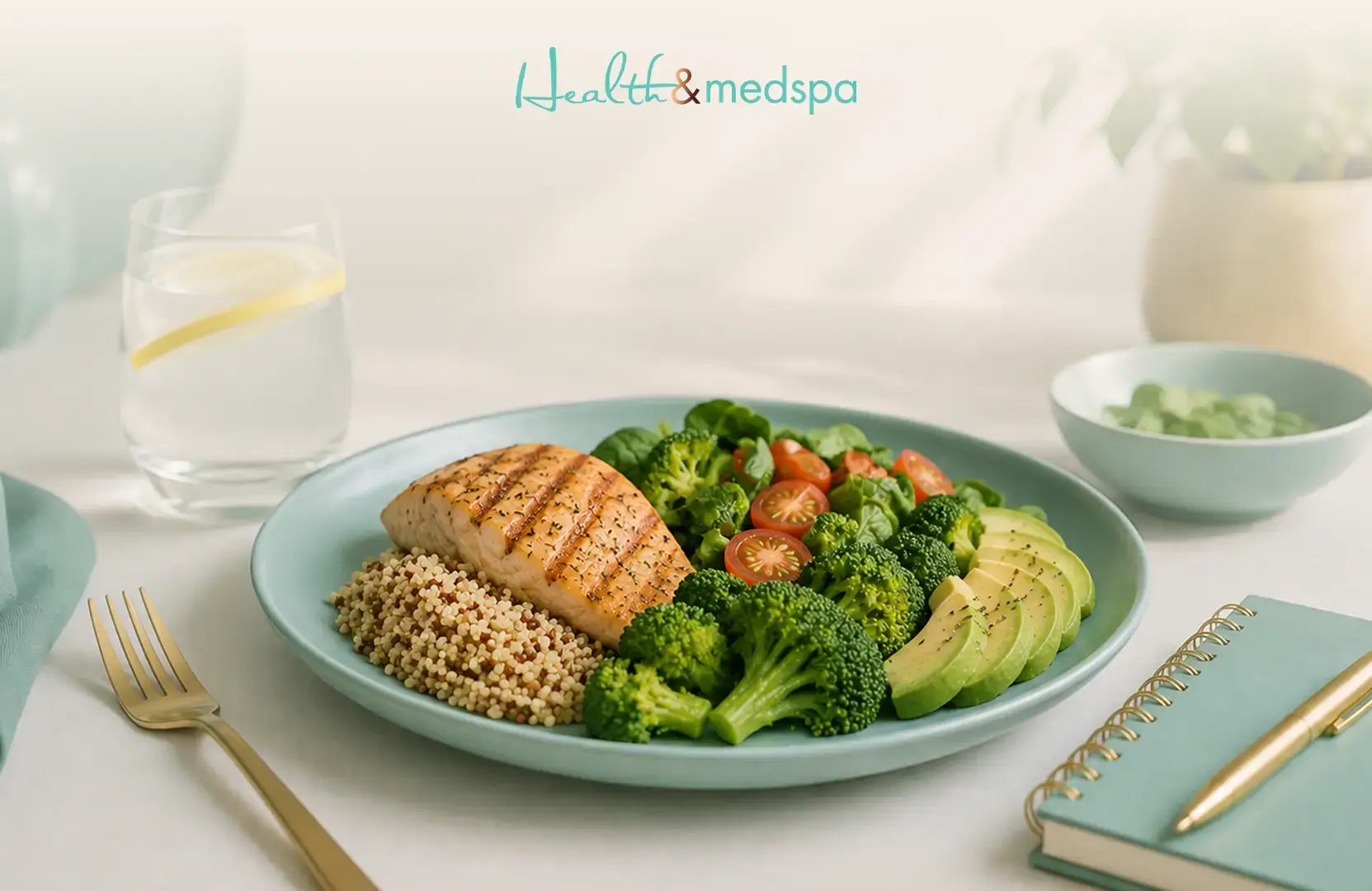
A Simple GLP-1-Friendly Plate
This framework is not a prescription, but it can help organize a balanced meal.
| Meal component | Examples | Why it matters |
| Protein | Fish, chicken, eggs, tofu, Greek yogurt or beans | Supports muscle and nutrient intake |
| Non-starchy produce | Greens, peppers, broccoli, zucchini or berries | Provides fiber and micronutrients |
| Quality carbohydrate | Oats, beans, quinoa, fruit or sweet potato | Provides energy and additional nutrients |
| Healthy fat | Olive oil, avocado, nuts or seeds | Supports satisfaction and vitamin absorption |
| Fluid | Water or another provider-approved beverage | Supports hydration |
Your portions may be smaller than before treatment. Eat slowly, pause between bites, and stop when comfortably satisfied rather than trying to finish a predetermined amount.
Sample Meal Ideas for a GLP-1 Diet Plan
These examples show balanced combinations, not a universal meal prescription.
Breakfast
- Greek yogurt with berries and a small amount of nuts
- Eggs with vegetables and whole-grain toast
- Oatmeal with milk or a suitable alternative, berries, and seeds
Lunch
- Grilled chicken or tofu salad with beans
- Lentil soup with a side of vegetables
- Tuna or chickpea wrap with fresh produce
Dinner
- Baked fish with roasted vegetables and sweet potato
- Turkey or tofu bowl with vegetables and quinoa
- Bean-based chili with a small whole-grain side
Snacks, If Needed
- Cottage cheese with fruit
- A hard-boiled egg
- Apple slices with nut butter
- Hummus with vegetables
- A provider-approved protein option
Some patients do not need snacks, while others benefit from them when larger meals are difficult. Follow the plan developed for your needs.
What Foods May Be Harder to Tolerate on a GLP-1?
No food causes the same response in every person. However, the following may worsen nausea, reflux, bloating, or uncomfortable fullness for some patients:
- Fried foods
- Greasy or very high-fat meals
- Large portions
- Highly processed foods
- Rich sauces or cream-heavy dishes
- Very spicy meals
- Sugary drinks
- Excess alcohol
- Large meals eaten quickly
- Heavy meals close to bedtime
Keep a simple record of meals and symptoms if you are unsure about your triggers. Share it with your provider instead of eliminating several food groups without guidance.
How to Eat When You Have Nausea
Nausea is a commonly reported side effect of GLP-1 medications, especially after starting treatment or following a dose increase.
Strategies that may help include:
- Eat smaller amounts at a time.
- Eat slowly and chew thoroughly.
- Stop eating when you first feel comfortably full.
- Choose simple, lower-fat foods when symptoms are active.
- Avoid lying down immediately after eating.
- Sip fluids rather than consuming a large amount quickly.
- Ask your provider about persistent symptoms.
Do not change your dose, stop treatment, or restart medication after a break without prescriber guidance.
Digestive symptoms should inform your care plan—not be ignored.
Contact Health & MedSpa if nausea, vomiting, constipation, or reduced intake is interfering with normal hydration and nutrition.
Managing Constipation During GLP-1 Treatment
Reduced food intake, lower fluid consumption, changes in activity, and medication effects can contribute to constipation.
Your provider may recommend:
- Increasing fiber gradually
- Drinking an appropriate amount of fluid
- Including produce, beans, or whole grains
- Maintaining regular movement when medically appropriate
- Reviewing other medications or supplements
- Using a clinician-recommended treatment when necessary
Seek prompt medical guidance for severe abdominal pain, ongoing vomiting, marked bloating, inability to pass stool or gas, or rapidly worsening symptoms.
Hydration During GLP-1 Medical Weight Loss
Reduced appetite may also reduce your desire to drink. In addition, vomiting or diarrhea can increase fluid loss.
Helpful habits may include:
- Keeping water accessible
- Drinking regularly throughout the day
- Sipping fluids when nausea makes larger amounts difficult
- Increasing fluids appropriately during Tampa Bay heat or exercise
- Discussing electrolyte drinks with your provider when fluid loss is significant
Fluid needs differ. Patients with heart, kidney, or liver conditions may need individualized limits and should not follow generalized hydration targets.
Dark urine, reduced urination, dizziness, dry mouth, or persistent weakness may indicate dehydration. Seek medical advice if symptoms do not improve. Confusion, fainting, difficulty breathing, or inability to stay awake requires urgent care.
Why Strength Training and Adequate Nutrition Matter
Weight loss can include both fat and lean mass. Therefore, a well-designed program should consider nutrition, strength, function, and physical activity rather than focusing only on the number on a scale.
The joint professional advisory on GLP-1 nutrition highlights the importance of preserving muscle and bone through appropriate diet and resistance exercise.
Your provider can help determine which activities are appropriate based on your health and physical ability. Do not begin an intense exercise program without medical clearance if you have cardiovascular, mobility, or other relevant concerns.
When Should You Contact Your GLP-1 Provider?
Contact your healthcare provider if you experience:
- Persistent vomiting or diarrhea
- Inability to keep fluids down
- Ongoing dizziness or dehydration
- Severe or persistent abdominal pain
- Pain that moves toward the back
- Yellowing of the skin or eyes
- Symptoms of low blood sugar
- Severe constipation or abdominal swelling
- Very limited food intake
- New weakness or difficulty maintaining normal activities
- Side effects that worsen after a dose change
Seek emergency care for severe symptoms, trouble breathing, loss of consciousness, confusion, or signs of a serious allergic reaction.
Personalized GLP-1 Diet Planning in Tampa Bay, FL
Tampa Bay patients need plans that work beyond a clinic appointment. Restaurant meals, family schedules, outdoor activity, travel, and Florida heat can all affect consistency.
Health & MedSpa serves patients from Oldsmar, Clearwater, Palm Harbor, Safety Harbor, Dunedin, Westchase, and nearby Tampa Bay communities. Its medical weight-loss approach may include health evaluation, individualized treatment, nutrition guidance, lifestyle support, and ongoing monitoring.
Patients considering medication can also review the differences between semaglutide and tirzepatide for weight loss. Medication eligibility and selection require an individual medical evaluation.
Build a GLP-1 Diet Plan Around Your Health
A sustainable GLP-1 diet plan prioritizes nutritional quality, adequate protein, gradual fiber, appropriate hydration, and meals that you can tolerate. It should also evolve as your appetite, symptoms, weight, and health needs change.
Medication and nutrition work best within a broader plan that includes medical monitoring, activity, sleep, realistic expectations, and long-term support.
Stop relying on generic online meal plans.
Schedule a personalized medical weight-loss consultation with Health & MedSpa in Oldsmar, serving the greater Tampa Bay area. Call 727-444-0995 to discuss your next step.
Medical Disclaimer
This article provides general education and is not a personalized diet, diagnosis, or treatment plan. Do not start, stop, restart, or change a prescription medication without consulting your prescriber. Seek urgent medical care for severe or rapidly worsening symptoms.
Frequently Asked Questions
What is the best GLP-1 diet plan?
There is no single best plan. The right approach depends on your medication, health conditions, nutritional needs, side effects, activity, and food preferences.
Should I eat three meals a day on a GLP-1?
Not necessarily. Some people tolerate three smaller meals, while others need a different pattern. Your total nutritional intake and comfort matter more than following a universal schedule.
What foods should I avoid on GLP-1 medication?
No universal ban applies to everyone. Large, fried, greasy, highly processed, or very spicy meals may worsen digestive symptoms for some patients.
Can I drink alcohol while taking a GLP-1?
Ask your prescriber. Alcohol can add calories, worsen dehydration or digestive symptoms, and affect blood sugar or other health conditions.
How much protein should I eat?
Protein needs vary based on age, body size, health, activity, and kidney function. Ask your provider or registered dietitian for an individualized target.
What should I eat when a GLP-1 causes nausea?
Small, simple, lower-fat meals may feel easier to tolerate. Eat slowly and contact your provider if nausea persists or prevents adequate hydration and nutrition.
Do I need supplements while taking a GLP-1?
Not automatically. Supplements should reflect your dietary intake, medical history, and any identified deficiencies. Discuss them with your healthcare provider.
Can I follow a GLP-1 diet plan without medication?
You can follow balanced eating principles without medication, but food does not reproduce the effects of prescription treatment. Do not use products marketed as “natural GLP-1 alternatives” without evaluating their safety and evidence.