Enzyme peels are an increasingly popular professional treatment in the skincare industry for those who want to gently yet effectively refresh their skin. Enzymatic peels are natural and can be used on a variety of skin types, unlike harsher treatments.
If you want smoother, brighter skin but worry about irritation, redness, or downtime, an enzymatic peel may be exactly what your skin needs. Unlike aggressive chemical peels that can feel harsh or overwhelming, especially for sensitive skin, enzyme peels offer a gentle, skin-respecting way to exfoliate and renew.
This professional treatment works with your skin, not against it, using naturally derived enzymes to dissolve dull, dead skin cells without stripping or damaging the skin barrier.
 For many clients, particularly those with sensitive, reactive, or first-time peel concerns, enzymatic peels provide visible results without discomfort. With nearly 60% of adults experiencing some degree of skin sensitivity, according to the American Academy of Dermatology, more people are turning to enzyme-based treatments as a safer, more comfortable option for achieving healthy, refreshed skin.
Whether your goal is a natural glow, improved texture, or maintenance between stronger treatments, enzymatic peels are designed to meet your skin where it is… and gently guide it toward its best version.
What Is an Enzyme Peel?
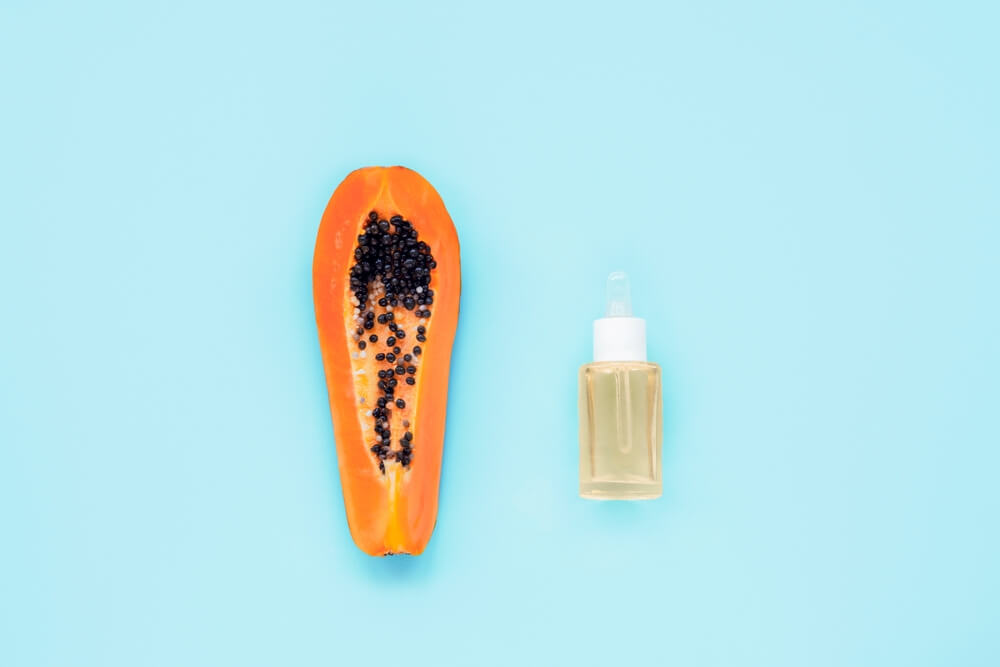
An enzyme peel is a gentle exfoliating skincare treatment. This treatment uses natural enzymes. Those enzymes are usually derived from fruits such as papaya (papain), pineapple (bromelain), or pumpkin, and break down and dissolve dead skin cells on the surface of the skin.
Unlike chemical peels that rely on acids to exfoliate, enzyme peels work without penetrating deeply into the skin. Making them ideal for sensitive, reactive, or acne-prone skin types. They remove dull, dead skin cells while preserving the skin’s natural barrier.
Common Enzymes Used in Enzyme Peels
Various enzymes have different benefits for your skin.
→ Papain or papaya is one of the most popular enzymes that is utilized in peels; this is because it exfoliates effectively.
→ Bromelain, which is extracted from pineapple, has anti-inflammatory effects as well as exfoliating effects.
→ Pumpkin enzyme is composed of natural alpha-hydroxy acids and zinc, which is why it is suitable for acne-prone and oily skin.
→ Ficin in figs gives an exfoliation that is gentle enough to use on delicate skin.
Different Types of Enzymatic Peels
The type of enzyme you should get depends on the skin type you have and its condition:
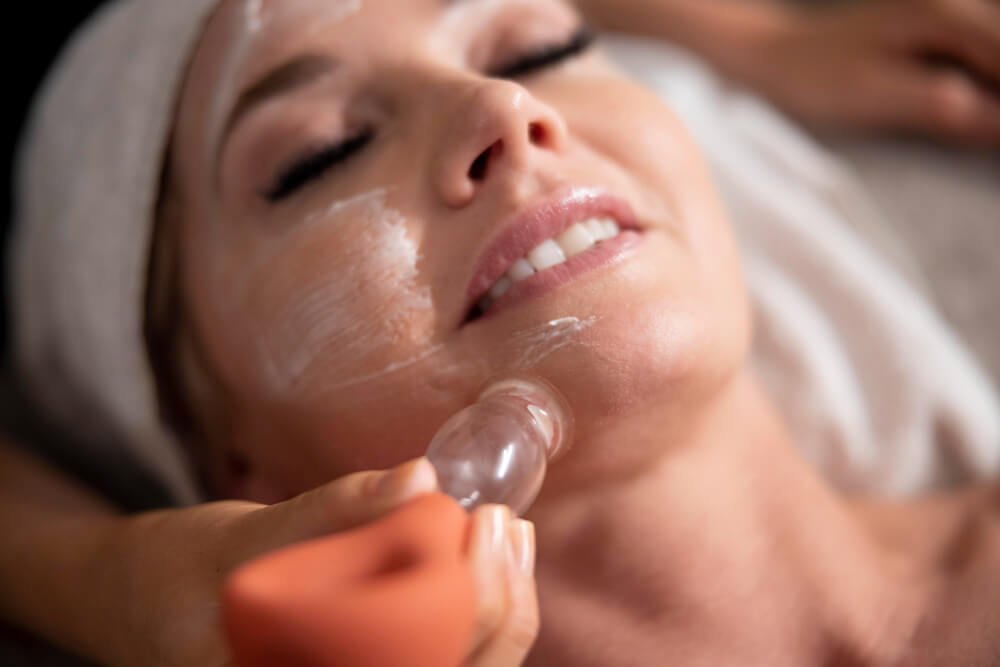
- Some skins with the needs of mild exfoliation and a follow-up are suitable for a fruit enzyme peel mask.
- If your skin only need hydration dose, then go for a hydrating peel.
- A combination of mild acids, such as mandelic or lactic, and organic skin peel enzymes is the best choice when you want to achieve a better and more conspicuous outcome for your skin dullness, marks, and overall appearance.
- A good choice would be an acne-centered enzyme exfoliator in case of acne-prone skin. Nevertheless, it is advisable to consult with a professional before making a decision.
Common types of enzyme peels are:
1. Papaya Enzyme Peel (Papain)
Papaya enzyme peels are among the most gentle options, making them ideal for sensitive or reactive skin.
Best for:
→ Sensitive skin
→ Dry or dehydrated skin
→ First-time peel clients
Benefits:
- Softly dissolves dead skin cells.
- Brightens dull skin.
- Improves smoothness without irritation.
2. Pineapple Enzyme Peel (Bromelain)
Pineapple enzyme peels provide slightly stronger exfoliation while still being mild and soothing.
Best for:
→ Oily or combination skin
→ Congested pores
→ Mild acne
Benefits:
- Helps reduce inflammation.
- Clears pore congestion.
- Improves overall skin clarity.
3. Pumpkin Enzyme Peel
Pumpkin enzyme peels often combine natural enzymes with mild alpha hydroxy acids (AHAs), offering deeper exfoliation.
Best for:
→ Aging skin
→ Uneven texture
→ Dull or sun-damaged skin
Benefits:
- Stimulates cell turnover.
- Increase collagen production.
- Improves skin tone and texture.
4. Cherry Enzyme Peel
Cherry enzyme peels are rich in antioxidants and enzymes that promote skin renewal.
Best for:
→ Dull skin
→ Hyperpigmentation
→ Early signs of aging
Benefits:
- Brightens complexion.
- Fights free radical damage.
- Even skin tone.
5. Blueberry Enzyme Peel
Blueberry enzyme peels are packed with antioxidants and anti-inflammatory properties.
Best for:
→ Acne-prone skin
→ Inflamed or stressed skin
→ Post-treatment maintenance
Benefits:
- Calms irritation.
- Reduces redness.
- Supports skin healing.
6. Mixed Fruit Enzyme Peel
These peels combine multiple fruit enzymes for balanced exfoliation and nourishment.
Best for:
→ Normal to combination skin
→ Regular skin maintenance
→ Clients wanting mild but visible results
Benefits:
- Multi-level exfoliation.
- Improves radiance.
- Enhances product absorption.
Enzyme peels offer a customizable, skin-friendly exfoliation option. Suitable for nearly all skin types. Choosing the right enzyme peel depends on your skin’s sensitivity. Also, on your concerns and desired results. But it is always best determined with a licensed skincare professional.
At Health & Med Spa, we offer the best professional enzyme peel, and facial treatments for your skin’s beauty and youthfulness. Our Medspa environment combines clinical safety with personalized care to deliver results you can trust.
Enzyme Peel vs Chemical Peel
Although both treatments exfoliate the skin, they do this in different ways. Different acids, such as glycolic or salicylic acid, are used in chemical peels to loosen the connections of the cells of the skin and penetrate deeper into the layers of the skin.
Enzyme peels, however, employ natural enzymes that act only on the surface level, and thus are milder and have little downtime.
Enzyme Peel Benefits for Your Skin!
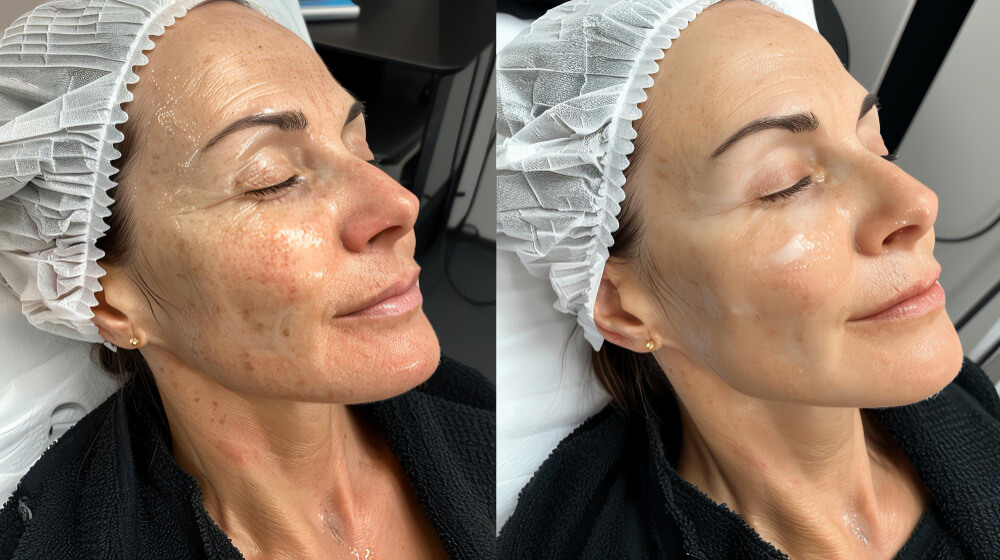
Enzyme peels have many benefits for different skin-related issues:
- Gently exfoliates without irritation.
- Improves skin texture and radiance.
- Helps unclog pores and reduce breakouts.
- Enhances product absorption.
- Suitable for sensitive and rosacea-prone skin.
- No downtime or peeling or flaking.
Who Should Get an Enzyme Peel?
Enzyme peels are also the most suitable peel choice in cases where one desires the skin to be exfoliated, but without subjecting it to harsh peeling and downtime. They are particularly effective on people who have sensitive skin and are unable to withstand a chemical peel or who must cope with dryness or dark complexion.
It also works well for people who want to polish their skin. Enzyme peels can also be used to relieve congestion in case of mild acne or clogged pores.
Enzyme Peel Side Effects and Risks
Enzyme peels are considered one of the safest professional exfoliation treatments, especially when compared to chemical peels.
Although the risks are low to none, some rare ones include:
- Sensitivity afterwards
- Redness of swelling
- Feeling hotness in the skin
Preparing for an Enzyme Peel
A study indicates that regular exfoliation of the skin using enzymes has the potential to enhance skin texture following a sequence of treatments.
This is what is required to prepare the organic skin peel:
- It is best to avoid retinoids or exfoliating products for 2-3 days prior to your appointment, as these are likely to make you sensitive.
- Do not wax or do other hair removal procedures on your face within a day before peeling.
- Get to your appointment with clean, unadorned skin without skincare products.
- Consult your provider if you experience exfoliation, as it can sometimes provoke cold sore outbreaks if you have a history of cold sores.
What to Expect During an Enzyme Peel Facial?
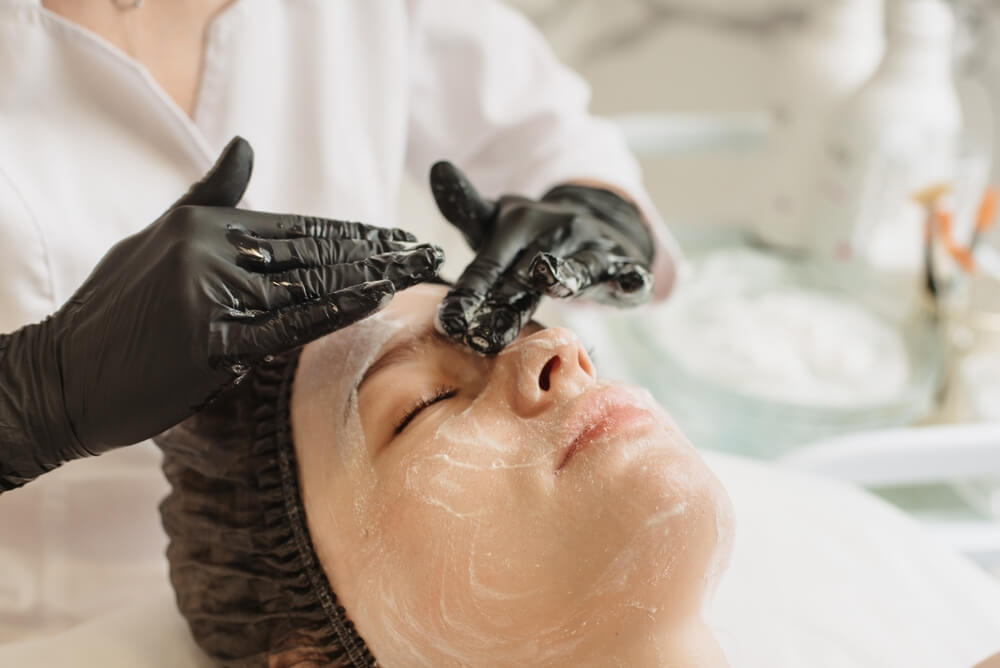 The best professional enzyme peel in Tampa, at Health & Med Spa, is a gentle, relaxing treatment. It is designed to exfoliate and refresh the skin without discomfort or downtime.
Here’s what typically happens during a professional enzyme peel facial:
→ Skin Consultation and Cleansing
Our expert professional and enzyme peel facial provider will begin with a brief consultation. It is to assess your skin type, concerns, and sensitivities.
The skin is then thoroughly cleansed. To remove makeup, oil, and impurities before the procedure. For ensuring the enzymes work effectively.
→ Enzyme Peel Application
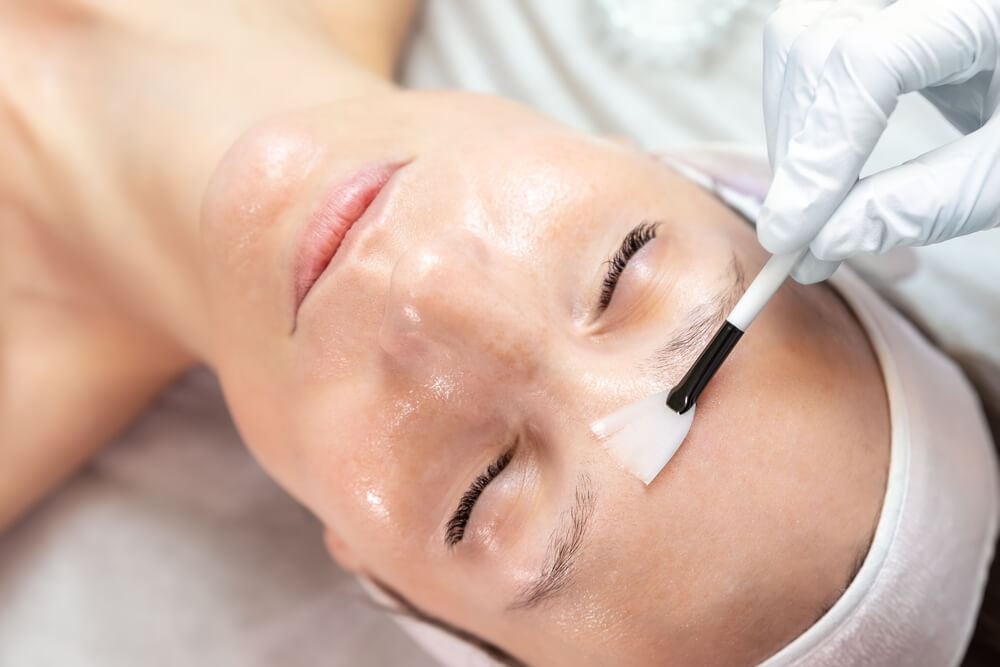
The enzyme mask is applied evenly to your face. Most clients experience a mild warmth or light tingling. It is normal. It is actually an indication. That enzymes are actively breaking down dead skin cells. The treatment is generally comfortable and non-stinging.
→ Activation Period
The peel is left on the skin for several minutes. Depending on your skin type and the strength of the enzyme.
In some treatments, gentle steam or warm towels may be used to activate the enzymes and enhance exfoliation.
→ Removal of the Peel
Once the enzyme process is complete, the peel is gently removed.
At this stage, your skin may appear slightly flushed. But should feel smooth, soft, and refreshed.
→ Soothing and Hydration
Calming serums, hydrating masks, or soothing moisturizers are applied. It is to restore moisture and support the skin barrier.
This step helps reduce any temporary redness and enhances post-treatment comfort.
Your enzyme peel before and after results will make you love your skin!
What Does an Enzyme Peel Do?
After the Treatment: What You’ll Notice
- Immediate glow and smoother texture
- Brighter, more even skin tone
- Improved absorption of skincare products
- Little to no redness or downtime
The duration of the enzyme mask and peel is usually 20-30 minutes and in most cases it is painless.
Enzyme Peel Aftercare (Do’s and Don’ts)
Aftercare is necessary in order to sustain your results.
- Do make your skin moist using a mild moisturizer and use broad-spectrum SPF 30 or higher on a daily basis since your skin will be very sensitive to sunlight.
- Use non-irritating skincare products as long as at least 48 hours after the treatment.
- It is not recommended to pick at your skin in case of any flaking and not to take hot showers, saunas or vigorous exercises within the 24 hours.
- Stop using active ingredients such as retinoids or harsh acids for several days.
- Do not plan any other skin treatments right after the enzyme peel facial.
Enzyme Exfoliator for Face Results
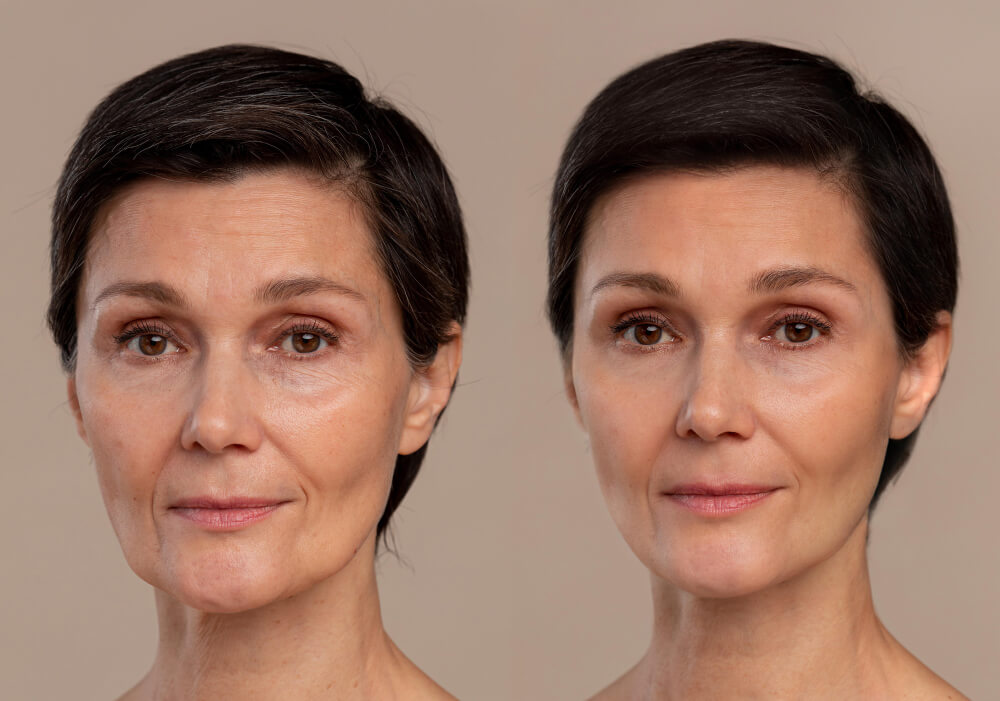
The majority of people report an instant result, such as improved texture and fresh glow in the enzyme peel before and after the survey.
If you take several sessions consistently, you will notice a clearer skin color and pores.
Much research vouches for the results of an enzyme peel which increases the skin cell turnover and helps with rejuvenation.
Enzyme Peel Treatment at Tampa Health & MedSpa!

At Health & MedSpa, we have medically certified personnel who will give your skin the best care it needs in Tampa, Fl with the best professional enzyme peel.
Schedule your appointment today!
FAQs
Is an enzyme peel good for sensitive skin?
Yes, there are special enzyme peels designed for sensitive skin. You can choose a suitable peel after consultation.
How often should you get an enzyme peel?
Depending on the skin type and its condition, the usual time interval between the enzyme peels is two to three weeks.
Can enzyme peels help acne?
Yes, enzyme peel for acne can help with acne.
Can I wear makeup after an enzyme peel?
It is best to avoid wearing make-up for 24-42 hours after getting the enzyme peel.